
Your Opportunities, Your Rights, Your Immigration Lawyer
Meet Morella
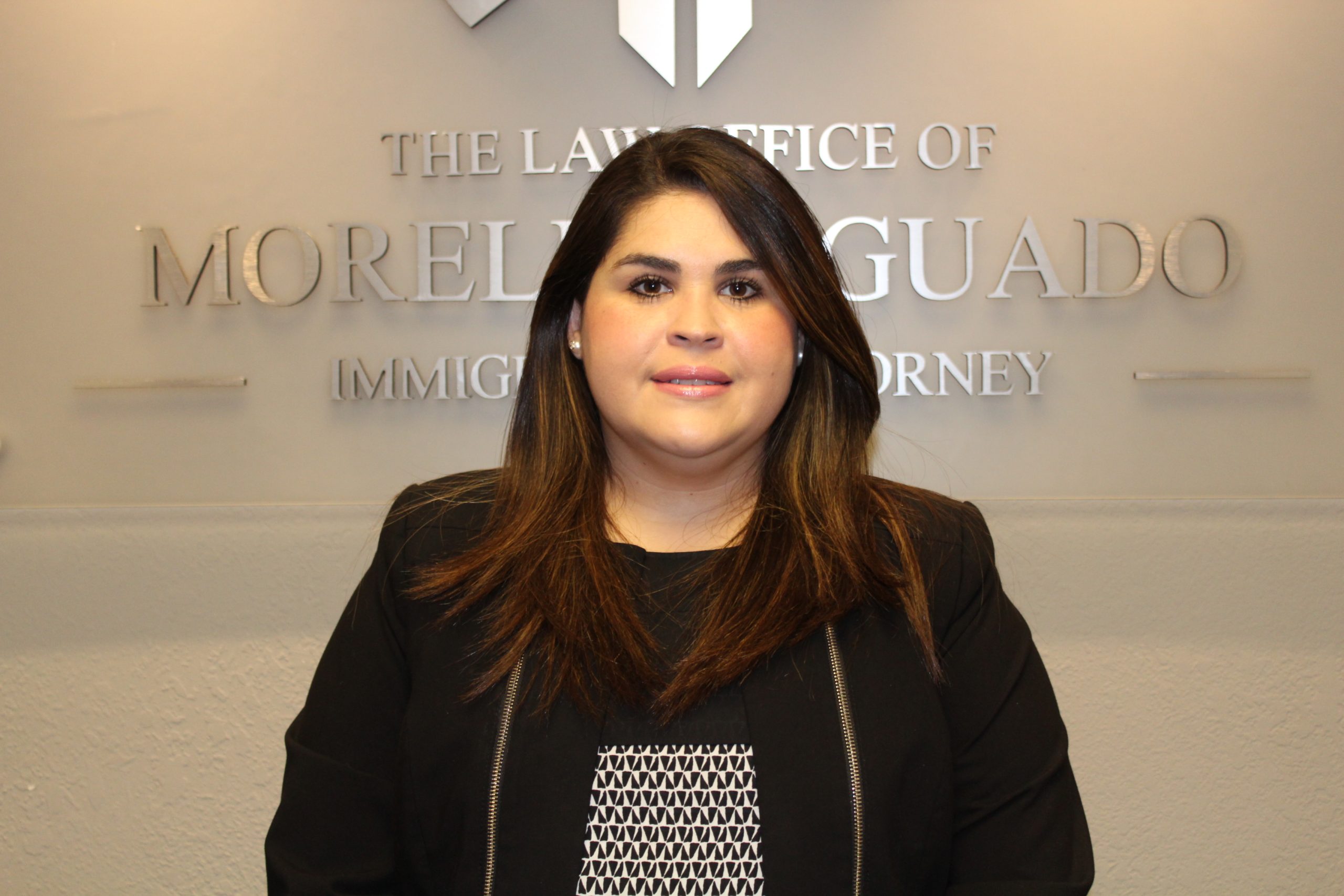
Born in Nicaragua, Attorney Morella Aguado studied Law at the American University (UAM) of Nicaragua, obtaining with honors the title of Bachelor of Laws from that prestigious institution. Morella Aguado is a Lawyer and Notary Public approved by the Supreme Court of Justice of Nicaragua. After finishing her career as a lawyer in Nicaragua, she decided to study law again in the United States, also obtaining a law degree, Juris Doctor (JD) at the University of Miami, Morella was approved by the BAR of the State of the Florida and has practiced as an Immigration and Naturalization Attorney for several years in the United States.
Morella has experienced first-hand the long and complex migratory processes that cause stress and uncertainty for immigrants. Her experience and that of her family as an immigrant in the United States is what led her to become interested in the area of Immigration Law.
Morella is a member of the Florida State Bar Association, as well as the American Immigration Lawyers Association (AILA). He has extensive experience in the area of litigation in court before Immigration Judges, stopping deportations and returning parents to their homes. As well as, in Family and Employment Petitions, Non-Immigrant Visas, Naturalization Processes, DACA cases and VAWA cases
Mission
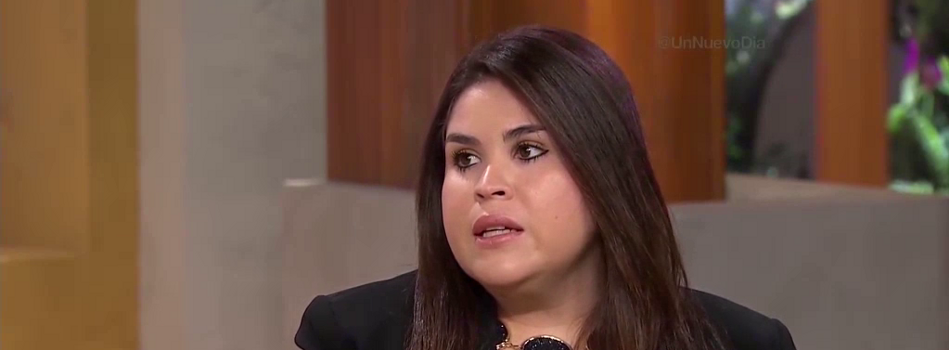
Our Mission is to keep our families together, stop the fear that overwhelms us daily for millions of Latinos. Morella Aguado wants us all to be able to go out to work and study every day without the fear of not knowing if we will return to dinner together. She comes from a family of immigrants and knows the sorrows that Latinos suffer on a daily basis. Having herself legalized several of her relatives, she is sure that she will also be able to do it for thousands of families, including her own.
The Immigration Office of Attorney Morella Aguado, P.A. she firmly believes that every immigrant in the United States can have a better quality of life if she knows her rights and learns how to enforce those rights.
Media
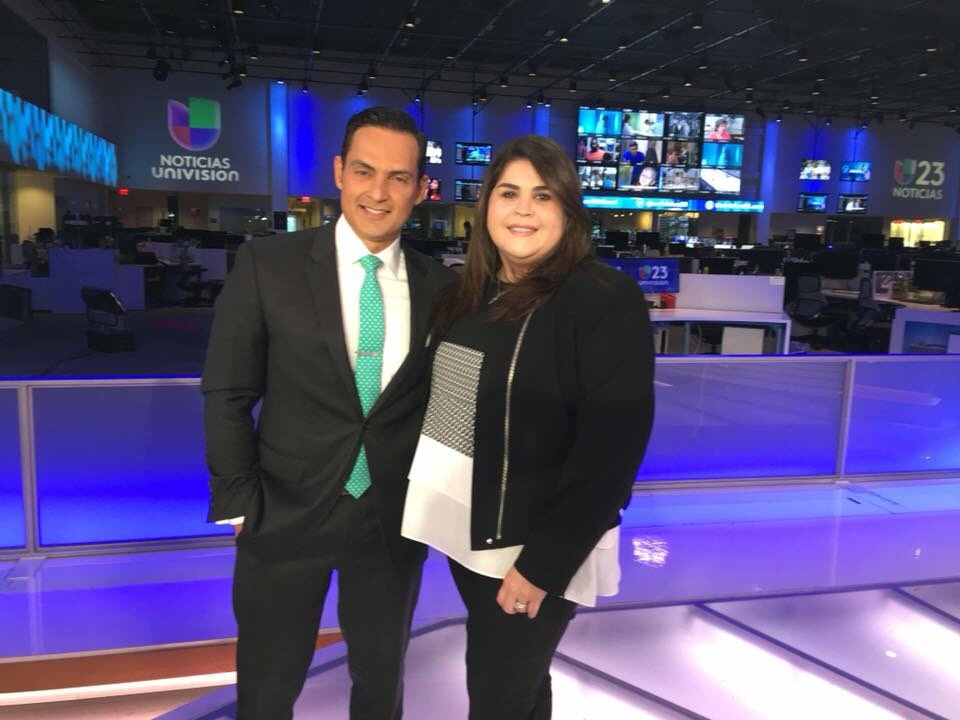
Morella has been invited to several television programs to talk about immigration issues
Google Reviews


Services
GREEN CARDS
DETENTION CASES
WAIVERS OF INADMISSIBILITY
CITIZENSHIP AND NATURALIZATION
BOND HEARING
VISAS
UNLAWFUL PRESENCE WAIVER
REMOVAL DEFENSE
APPEALS






Articles and News
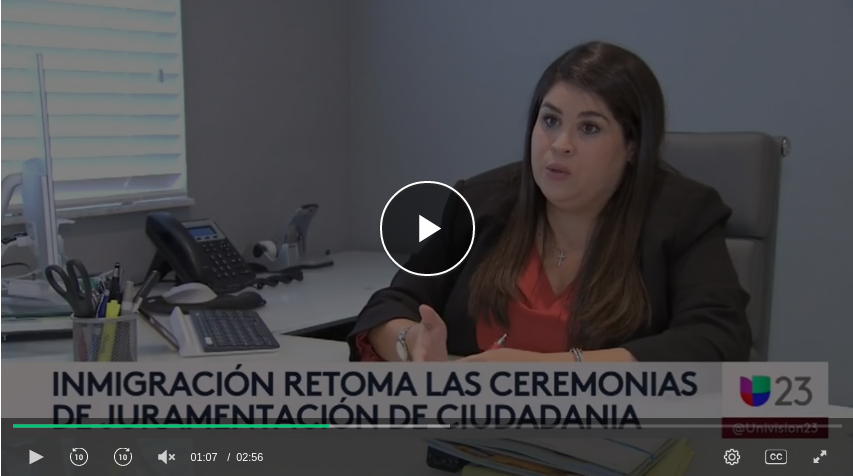
Interview with Morella.
Citizenship oath.
- Latest SW Port ‘Terrorism-Related Encounters’ Are Off the Charts
 on October 5, 2026 at 8:00 am
The most logical conclusions to draw from the massive rise in CBP’s Southwest port-of-entry encounters of those with terrorism-related records is: (1) with the border secure, bad actors are choosing to try their luck at the ports instead of entering illegally; and (2) port officers are now better positioned to stop them.
- SCOTUS to Consider Legality of Trump ‘Mass Detention’ Policyon October 2, 2026 at 8:00 am
Three decades after Congress mandated the detention of “applicants for admission” — aliens present without being admitted to this country — we’ll finally find out whether that mandate applies only to illegal migrants stopped on their way in, or to everyone who crossed the border illegally. You can thank Trump II and four IJs in Tacoma for making it happen.
- DHS Internal Watchdog Finds 40 Percent Error Rate in Afghan Evac Asylum Fileson October 1, 2026 at 5:53 pm
What happens when the U.S. government hurriedly evacuates thousands of unknown Afghans from a chaotic war zone and then Congress and the courts force USCIS asylum officers to adjudicate their asylum applications on insanely short timelines? DHS OIG answered that question for you: a “40 percent error rate in the adjudication of their asylum files”.
- SCOTUS Stays Order Blocking ‘Third-Country Removals’ — for the Third Timeon September 30, 2026 at 4:31 pm
If the U.S. government has assurances no alien will be persecuted or tortured in a third country, does any alien have a right to contend he would be? And if an alien has no ties to a third country, how valid is a claim he’d be harmed there and how should it be assessed? The justices will soon mull those questions, albeit indirectly, in a case they’re already very familiar with.
- Appellate Board Defends Itself and EOIR Against Claims of Biason September 28, 2026 at 11:46 pm
The alien who has long complained the Board of Immigration Appeals considered his case too quickly is doing everything he can to slow down the government’s efforts to remove him.